
Operating a 4-Player Claw Machine: Throughput, Queue Flow and Prize Replenishment
A four-station claw machine concentrates demand, and every operational problem with it. This guide gives the throughput maths for four stations, the queue geometry that keeps a crowd forming, a density-triggered restock routine for a shared prize chamber, the failure points that take the whole cluster offline, and a five-metric weekly KPI set.
- 1. Why Four Stations Is an Operations Problem
- 2. Throughput: How Many Plays an Hour Can Four Stations Serve
- 3. Queue Design Around the Cabinet
- 4. Prize Replenishment on a Shared Chamber
- 5. The Staff Routine That Keeps the Cluster Earning
- 6. Uptime: The Failure Points That Hurt Most
- 7. The KPI Set for a Four-Station Cluster
- 8. Operational Readiness Checklist
- Conclusion
A four-station claw machine is the highest-earning single asset in most prize areas, and the fastest way to expose an operator who runs it like a normal cabinet. Four stations generate roughly four times the plays, which means four times the prize consumption, four times the claw cycles, and a crowd of eight to twelve people standing around it at peak.
That crowd is the asset. Managing it is the job. This article covers the operational model for a 4-player unit: how many plays it can physically serve per hour, how to lay out the queue so it keeps forming, how to keep the prize chamber stocked without overfilling it, and which failure points matter most when four stations go dark at once.
For the capital decision behind the machine, see the commercial claw machine buying guide. This article assumes the unit is already on your floor.
1. Why Four Stations Is an Operations Problem
Three things change when you move from one or two stations to four:
· Prize consumption becomes a daily task, not a weekly one. A shared chamber serving four stations empties at the pace of the whole cluster.
· The crowd becomes part of the attraction. Onlookers increase plays, but a badly formed crowd blocks the aisle and gets you a mall complaint.
· Downtime costs four times as much. A single control fault takes the entire cluster offline, including the three stations that were working.
Operators who plan for these three things run a 4-player unit at high utilisation. Operators who don't end up with a machine that looks busy and a prize chamber that looks empty, which is the worst possible combination: the crowd arrives, sees a thin prize pile, and leaves.
2. Throughput: How Many Plays an Hour Can Four Stations Serve
Revenue capacity is a function of session length and station count. Session length is set by your play timer and by how long players actually take.
|
Play Timer |
Average Session |
Theoretical Plays/Hour (4 stations) |
Realistic at 65% Utilisation |
|
30 seconds |
45 s |
320 |
~208 |
|
45 seconds |
60 s |
240 |
~156 |
|
60 seconds |
80 s |
180 |
~117 |
Two operating lessons come out of that table.
First, the play timer is a revenue lever, not a fairness setting. Shortening the timer from 60 to 45 seconds raises theoretical capacity by a third, but it also raises the failure rate per attempt, which players read as the machine being rigged. The usual commercial compromise is 45–60 seconds with prize positioning doing the difficulty work.
Second, utilisation is capped by group behaviour, not by the machine. At 65% utilisation roughly a third of station-time is idle because players are choosing prizes, inserting notes, or waiting for a friend. Do not model 100%; model 60–70% and be pleased when it is higher.
The practical ceiling for a well-placed 4-player unit is therefore around 100–160 plays per hour during peak, which aligns with the published commercial range of 100–300 plays per day for high-traffic locations.
3. Queue Design Around the Cabinet
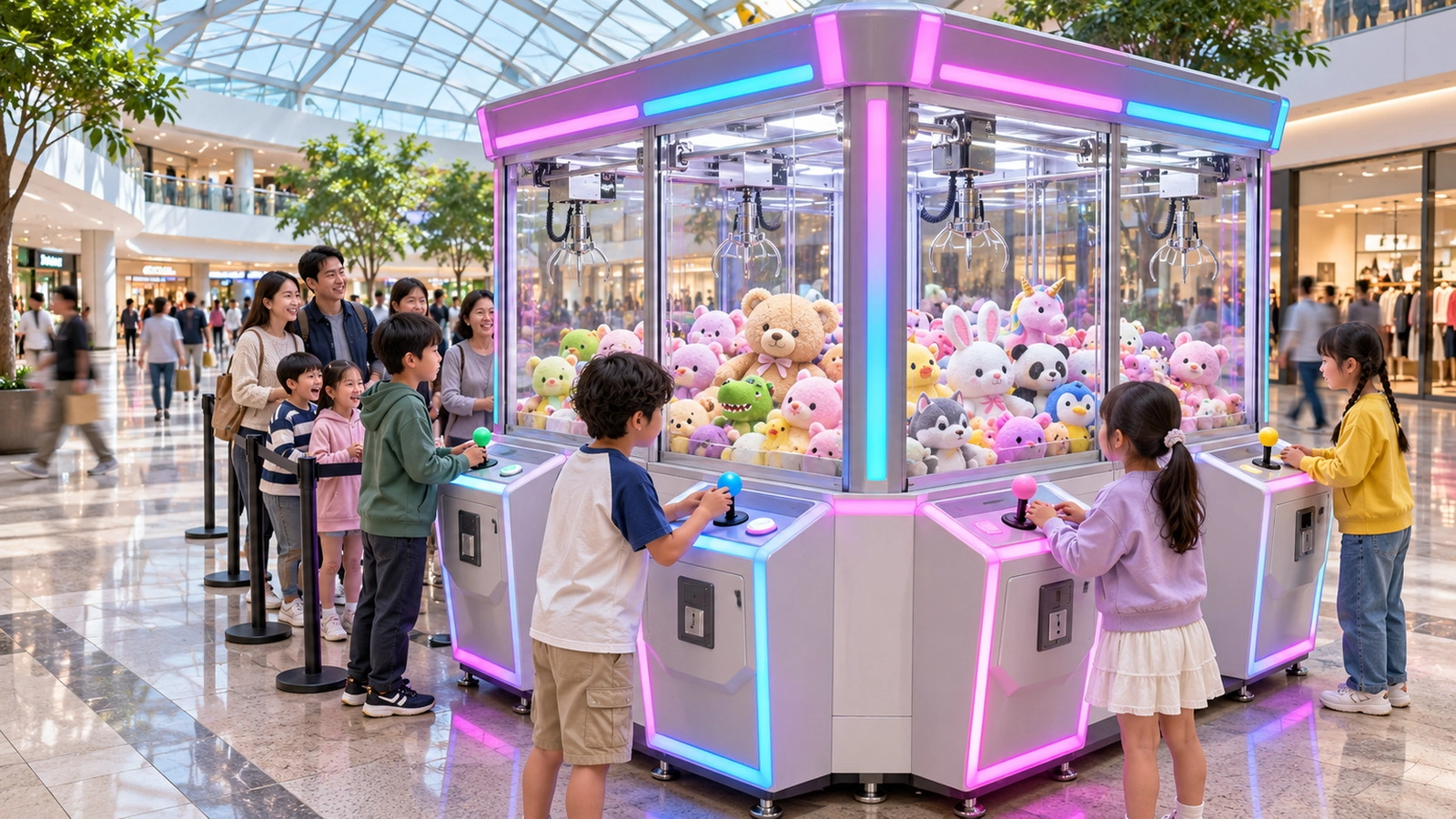
A 4-player unit needs a different footprint than four singles, and the queue is the part operators forget.
· Approach lanes on two sides. Players should be able to reach two stations from the left and two from the right. If all four are reachable only from one face, the queue becomes a line and the onlookers block it.
· 1.2 m clear behind the player zone. Onlookers stand behind players. That depth must exist or the crowd spills into the walkway.
· Sightline from the main traffic flow. The prize chamber should be visible from at least 15 m down the concourse. This is what converts passers-by into the onlooker crowd.
· Stroller and wheelchair clearance. A 4-player cluster in a family venue attracts exactly the visitors who need this. Keep one full side clear.
· No queue furniture unless you manage it. Belt stanchions help at cinemas and hurt in open atriums, where they read as a barrier and reduce spontaneous play.
One design note: place the payment panel where a waiting friend can see it. Coins and notes moving is a social cue that shortens the next player's decision time.
4. Prize Replenishment on a Shared Chamber
A four-station chamber is a shop window with a fixed display area. Restocking is merchandising, not refilling.
Zone the chamber. Divide the visible area into four zones: a front row at the glass for visual appeal, a mid-field for playable prizes, a back field for reserve volume, and a chute approach lane kept clear so the claw can carry a prize without collision.
Set a top-up trigger, not a schedule. Restock when visible density falls below roughly 60% of the design fill. Below that line, players stop believing a prize is available and play rate drops before revenue figures tell you why. In a busy mall, that can be twice a day.
Rotate premium prizes. One or two high-value prizes visible at all times maintain perceived value. Rotate them weekly so regulars see something new; the same bear for six weeks stops selling plays.
Match prize size to the claw's clearance. Large plush looks impressive at the glass and jams the chute approach lane. Keep the biggest items behind the front row, not in it.
Track prize cost by station, not by machine. If total prize cost drifts above 35% of coin-in, the cause is usually overfilling the front row with high-value items, not the probability setting.
For the wider prize framework, see prize management strategies.
5. The Staff Routine That Keeps the Cluster Earning
A 4-player unit needs about 15–25 minutes of attention per day plus two short peak checks. The routine:
Opening (10 minutes)
· Visual sweep of the chamber; clear any prize resting against the glass.
· Test one play on each station; confirm all four claws home correctly.
· Confirm payment stack accepts the local note and coin types.
· Check coin box level and note stack for jams from the previous day.
· Wipe glass inside and out — fingerprints on the front panel cost plays.
Mid-day peak check (5 minutes)
· Restock to the 60% density line if needed.
· Clear the chute of any prize that failed to drop into the retrieval door.
· Straighten front-row merchandising.
Closing (10 minutes)
· Collect cash, reconcile against the meter count.
· Log any station with slow response or unusual claw noise.
· Cover or dim the cabinet if the venue closes and the unit is visible from outside.
For a full task list you can adapt, see the daily operation checklist.
6. Uptime: The Failure Points That Hurt Most
On a four-station unit, uptime is not a percentage, it is a revenue event. These are the failure points that take the whole cluster down and the order of their cost:
|
Failure |
Effect |
Mitigation |
|
Control board fault |
All four stations offline |
Keep one spare board on site |
|
Gantry driver failure |
One or two stations offline |
Spare driver module, 30-minute swap |
|
Claw coil burnout |
Single station limp grip |
Coils stocked, change during shift |
|
Prize jam at chute |
Visible failure, crowd disperses |
Clear at every peak check |
|
Payment acceptor jam |
Silent revenue loss, no alarm |
Test with local notes daily |
|
Lighting failure |
Attraction value collapses at night |
Spare LED strips |
The pattern is consistent: the expensive failures are shared components, and the cheap failures are the ones nobody notices. A payment acceptor that rejects one note denomination can cost more over a month than a control board, because no alarm fires.
Set a rule: any station offline for more than two hours during trading hours is an incident, recorded with cause and repair time. Operators who log incidents discover that 80% of downtime comes from two or three recurring causes, which are then worth engineering out.
7. The KPI Set for a Four-Station Cluster
Track these weekly. Five numbers are enough.
1. Plays per station per day. Normalise by station so the cluster is comparable to a single cabinet.
2. Utilisation at peak. Plausible target 60–70%. Below 50% means placement or prize problems.
3. Win rate. Keep it inside your intended band; sudden shifts indicate a mechanical fault, not demand.
4. Prize cost as a share of coin-in. 20–35% is the standard planning band.
5. Downtime minutes during trading hours. The only metric that captures what the crowd saw.
Review them together. A cluster with falling plays and a rising win rate is a mechanical problem. Falling plays with a stable win rate and a thin prize chamber is a merchandising problem. Falling plays with a full chamber is a placement problem.
8. Operational Readiness Checklist
✔ Two-sided approach with 1.2 m standing depth behind players.
✔ Prize density checked twice daily at peak sites.
✔ One spare control board and one spare driver module on site.
✔ Local note and coin denominations tested every morning.
✔ Incident log for every station offline over two hours.
✔ Weekly KPI review against plays per station, not total plays.
Browse current four-station models in the four claw crane machine range, and review how to improve player experience and repeat play for the customer-facing side of the same routine.
Conclusion
A 4-player claw machine earns because it concentrates demand, and it underperforms for the same reason: everything about it is concentrated. Prize consumption, crowd pressure and downtime all arrive four times faster than on a single cabinet.
Treat it as a small managed attraction rather than a vending asset. Zone the chamber, restock on a density trigger instead of a calendar, keep shared spares on site, and measure plays per station rather than total plays. Do that and the cluster becomes the anchor of the prize area; skip it and the machine with the best position in the venue becomes the one the crowd walks past.
Capsule and Blind Box Claw Machines: Custom Grid Layouts, Prize Modules and OEM Production Planning
Mini Claw Machine Placement: Turning Dead Space into Daily Revenue in FECs, Cinemas and Retail Stores
Single Claw Crane Machine Buying Guide: Cabinet Specs, Claw Assemblies and Inspection Points
Operating a 4-Player Claw Machine: Throughput, Queue Flow and Prize Replenishment
claw machine
Do you sell claw machines wholesale?
Yes. Marwey specializes in claw machine wholesale and global distribution.
Our machines are widely used by:
- Arcade centers
- Family entertainment centers
- Amusement parks
- Game distributors
- Claw machine arcade businesses
We support bulk orders and long-term distributor cooperation.
What is a claw machine?
A claw machine is an arcade game where players control a mechanical claw to grab prizes such as toys, plush dolls, or capsules. Claw arcade machines are commonly found in arcades, shopping malls, and family entertainment centers.
What types of claw machines do you offer?
We offer a wide range of claw arcade machines, including:
- Standard claw machines
- Mini claw machines
- Giant claw machines
- Capsule claw machines
- Custom claw machines
- Prize vending claw machines
All machines are designed for arcade venues and commercial use.
How profitable is a claw machine business?
The claw machine business is one of the most profitable arcade businesses.
Many operators place claw machines in:
- Shopping malls
- Game arcades
- cinemas
- amusement parks
- family entertainment centers
With the right location and prizes, claw machines can generate stable daily income.
Do you provide after-sales support?
Yes. As a professional claw arcade machine supplier, we provide full after-sales service, including:
- Technical support
- Spare parts supply
- Installation guidance
- Maintenance assistance
Our support team ensures your claw machines operate smoothly.
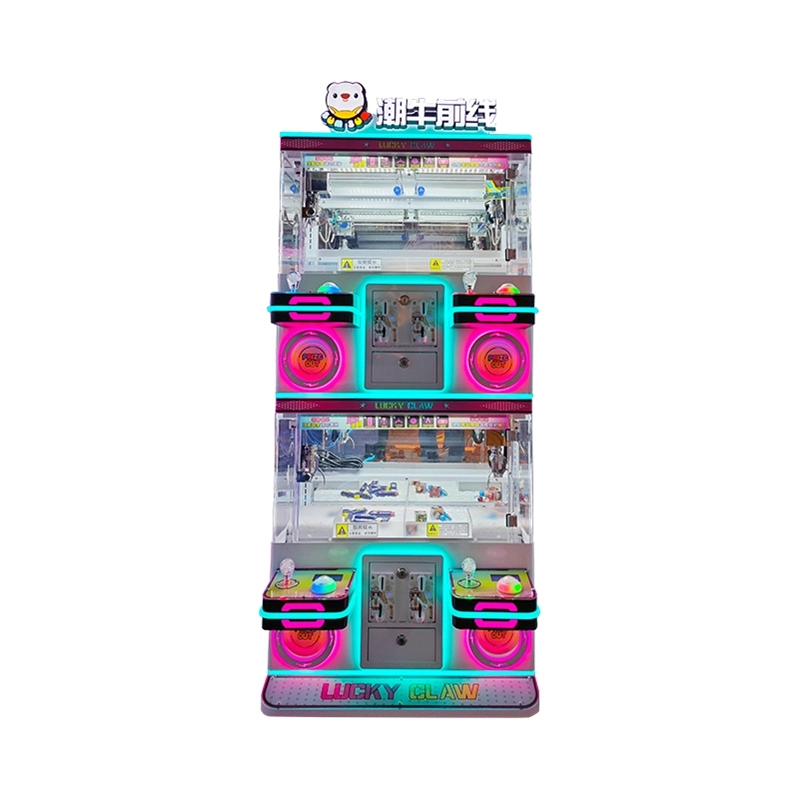
Mini 4 Players Commercial Arcade Claw Machine Coin Operated Plush Toy Prize Catcher Doll Game Machine
Discover the commercial 4-player coin-operated claw crane machine, perfect for arcades. This claw machine arcade offers thrilling prize-catching fun with plush toys, boosting engagement and revenue. Durable and easy to operate, it’s a top choice for claw crane machine entertainment.
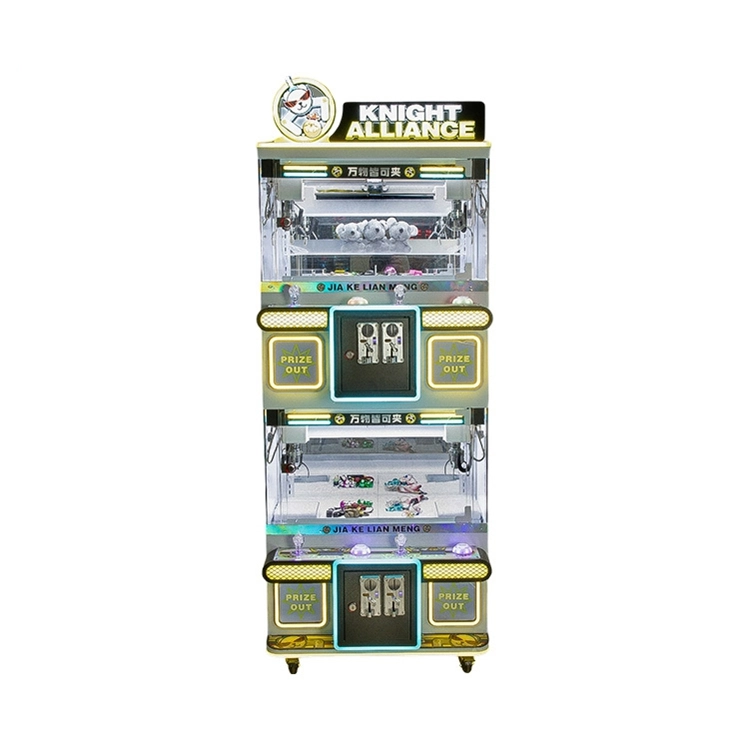
4-Player Mini Claw Crane Arcade Machine Gift Doll Catching Machine for Sale
Discover the 4-player catch doll machine, a mini claw crane prize machine perfect for fun and gifting. This claw game machine offers exciting multiplayer action, making it ideal for entertainment venues and events. Buy now for endless claw game fun!
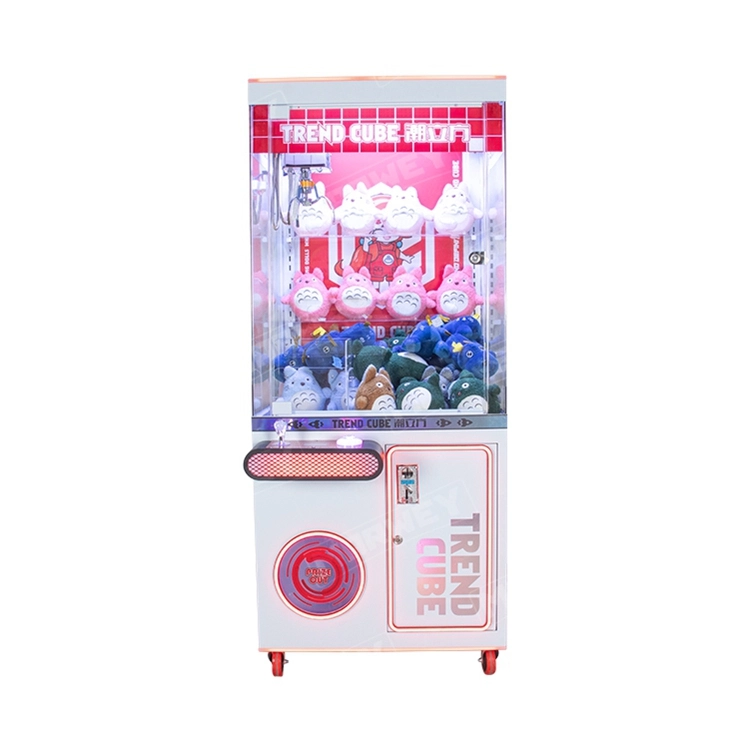
Wholesale Amusement Park Claw Machine Coin Operated Toy Crane Arcade Machine
Discover the toy crane machine, a high-quality claw machine arcade perfect for amusement parks. This coin-operated claw machine offers endless fun and excitement, making it an ideal wholesale choice for businesses seeking reliable, engaging entertainment solutions.
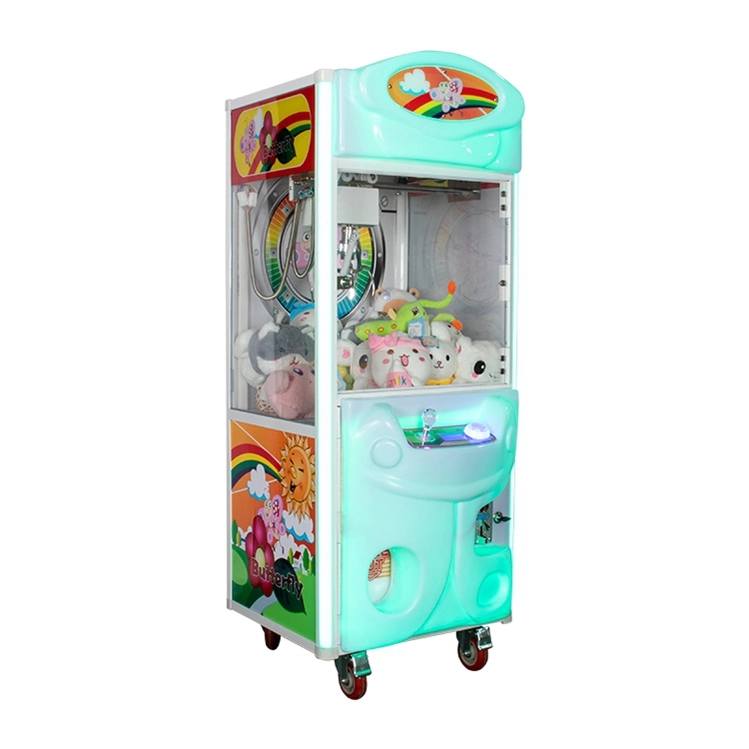
Wholesale Custom Indoor Claw Crane Machine Coin Operated Arcade Doll Catcher Machine
Discover wholesale arcade claw crane machine — customizable, indoor, and coin-operated. Perfect as a small crane claw machine, it offers endless fun and engagement. Ideal for businesses seeking a reliable small claw machine to boost customer interaction and revenue.
Marwey
MarweyArcade
marwey_arcade
Arcade Marwey
Marwey Amusement
Whatsapp: +8618922184260