
Mini Claw Machine Placement: Turning Dead Space into Daily Revenue in FECs, Cinemas and Retail Stores
Dead space is not a design flaw, it is unmonetised floor. This guide shows where mini claw machines fit inside busy venues, how much space and power a compact cabinet really needs once clearances are counted, how to size prize depth to a small chamber, and which four metrics tell you within 30 days whether a placement is working.
- 1. Why Small Footprints Win on Revenue per Square Meter
- 2. Where Dead Space Actually Exists
- Cinema Lobbies
- FEC Walkway Ends and Column Bays
- Retail Checkout and Gift Areas
- Restaurant and Café Waiting Areas
- Indoor Playground Parent Zones
- 3. Footprint and Power: The Real Numbers
- 4. Matching Prize Depth to a Small Chamber
- 5. Placement Rules That Decide Whether Players Stop
- 6. Reading the Numbers in the First 30 Days
- 7. Five Checks Before You Order Mini Units
- Conclusion
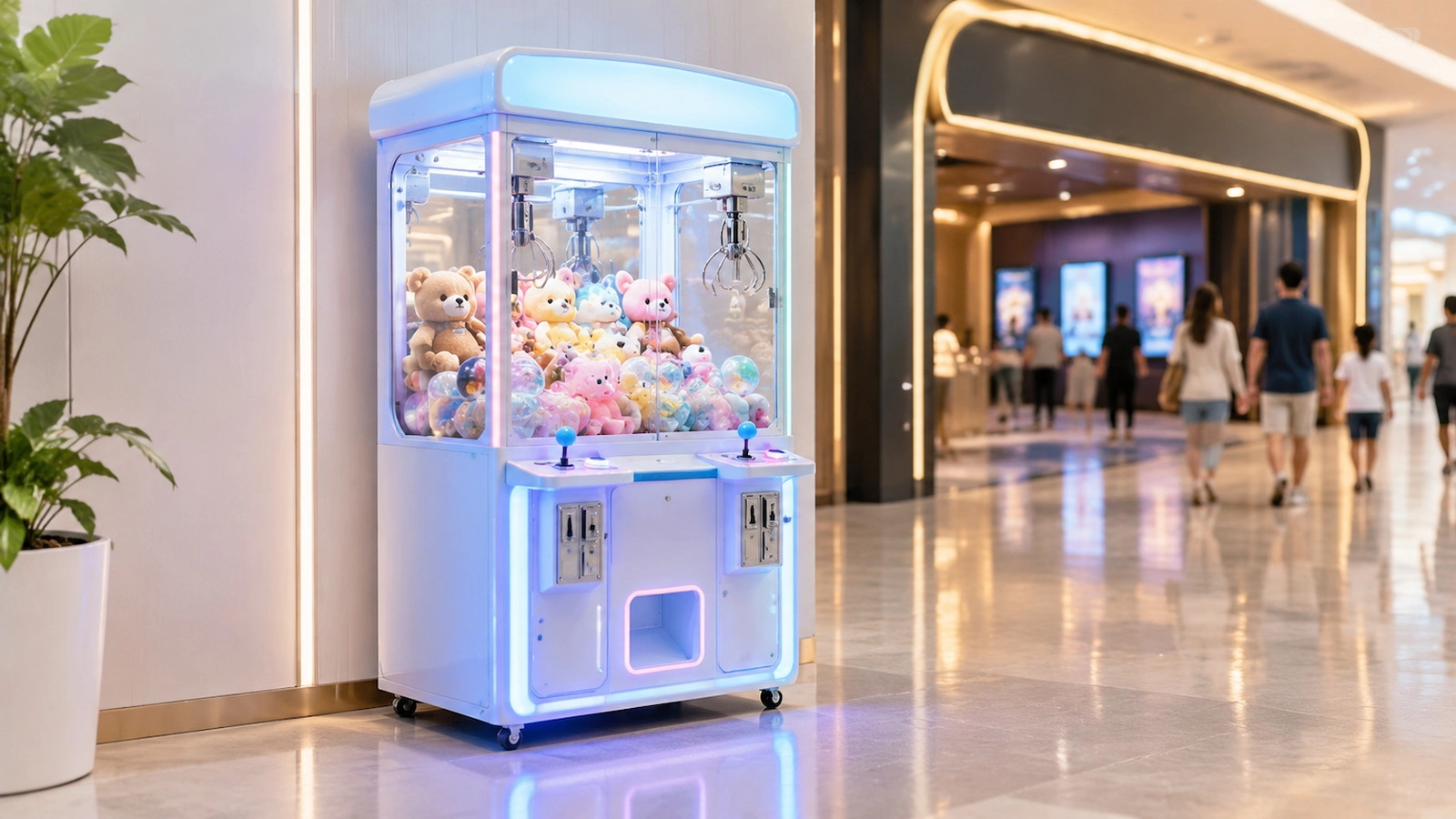
Most venues do not have a floor-space problem. They have a floor-space allocation problem. Between the entrance and the ticket counter, along the walkway to the restrooms, beside the checkout queue, there are pockets of two to four square meters that generate nothing because nothing fits there. A mini claw machine is built for exactly those pockets: a self-contained, coin-operated prize attraction that fits a footprint smaller than a vending machine and starts earning the day it is plugged in.
This guide covers where dead space actually exists, how much room a mini unit really needs once clearances are counted, how prize depth changes with chamber size, and how to judge whether a placement is working within the first month. If you are still deciding between cabinet formats, start with the complete commercial claw machine buying guide, then come back here for placement specifics.
1. Why Small Footprints Win on Revenue per Square Meter
A full-size cabinet can out-earn a mini unit per machine. It rarely out-earns it per square meter.
Take a busy family entertainment center paying mall-grade rent. A 1.6 m tall mini cabinet occupies roughly 0.3 square meters of floor and 0.5 square meters of operating clearance. A full-size double cabinet occupies around 0.8 square meters of floor before clearances. If the small unit takes in a third of what the large unit takes in, it still wins on rent-adjusted return, because the space it consumed was previously producing zero.
That is the entire argument for mini machines:
· The space has no alternative use. You are not displacing another attraction; you are occupying a gap.
· The capital at risk is small. A mini unit can be tested in one location and moved in a van if it underperforms.
· Placement is flexible. No dedicated circuit, no structural work, no staffed supervision.
The mistake operators make is treating mini units as "small versions" of a real claw machine and judging them by the same revenue target. Judge them by revenue per square meter per day, and by how quickly they pay back.
2. Where Dead Space Actually Exists
Placement candidates are predictable once you walk the venue with a tape measure and a stopwatch.
Cinema Lobbies
The highest-value dead space in most entertainment buildings. Audiences arrive 15–25 minutes before a screening and stand still. A mini unit beside the ticket line converts waiting time into plays at almost no acquisition cost. Position it where the queue naturally bends, not at the far wall where nobody stands.
FEC Walkway Ends and Column Bays
Family entertainment centers are usually laid out around structural columns. The bay beside a column often measures 0.6–0.9 m wide — too narrow for a redemption game, ideal for a slim mini cabinet. These bays also have sightlines down two aisles, which doubles passive exposure.
Retail Checkout and Gift Areas
Gift shops, toy stores and convenience retail benefit from an impulse machine at the exit path. Prize content should match what the store already sells, so the machine reads as part of the assortment rather than a random arcade object.
Restaurant and Café Waiting Areas
A 20-minute table wait is dead time for the guest and rent-free space for you. Mini units with plush or capsule prizes work here because the prize doubles as a takeaway for a child.
Indoor Playground Parent Zones
Parents sit for 60–90 minutes. A machine within sight of the seating area converts parent attention into child requests, which is the strongest conversion pattern in the category.
3. Footprint and Power: The Real Numbers
Published specifications for a two-player mini cabinet are a useful starting point:
|
Specification |
Typical Mini Cabinet |
Typical Full-Size Single |
|
Dimensions |
470 × 630 × 1,670 mm |
800 × 580 × 1,520 mm |
|
Power |
200 W |
350 W |
|
Voltage |
110 / 220 V |
110 / 220 V |
|
Player stations |
2 |
1 |
|
Payment |
Coin, bill acceptor, card reader |
Coin, bill acceptor, card reader |
What the spec sheet does not tell you is the space the machine needs to earn. Plan for:
· Front clearance of 900 mm minimum. Two players plus one onlooker need room to stand without blocking a walkway.
· Side clearance of 100–150 mm for door swing and service access to the coin box.
· A standard wall socket within 2 m. A 200 W draw means no dedicated circuit in most jurisdictions, but confirm local rules for continuous commercial load.
· Level flooring. Casters make the unit movable, but an unlevel floor causes prize pile drift toward one corner, which players notice immediately.
· Overhead clearance if the venue has low soffits — the machine must be loaded from the top door.
One practical note on marketing: many venues waste the machine's most valuable surface. The header panel above the prize chamber is the only place a passing customer reads a message. Use it for prize value ("win a 40 cm plush"), not for a logo alone.
4. Matching Prize Depth to a Small Chamber
A mini cabinet's constraint is not weight capacity, it is chamber depth: the claw must reach the prize and lift it clear without dragging on the glass. That changes the prize plan.
· Plush 20–30 cm. The default. Light, forgiving, visually readable from three meters away.
· Blind boxes and capsule toys. Small footprint per unit, high perceived novelty, and they stack into a dense, colorful pile that photographs well.
· Licensed mini collectibles. Highest perceived value per unit, but check that the claw opening and grip strength can handle the shape.
· Flat or slippery items. Avoid. Cards, stickers and rigid boxes reward the claw poorly and produce a low win rate, which reads as unfair.
Prize cost should sit in the 20–35% range of coin-in, the standard planning band for claw operations. In a mini chamber, restock happens more often per unit of revenue because the chamber holds fewer prizes. Budget the labor: a two-player mini unit in a high-traffic cinema may need a top-up every two to three days, while the same unit in a restaurant waiting area may go a week.
For a structured prize framework that goes beyond plush, see the prize strategy guide.
5. Placement Rules That Decide Whether Players Stop
The same machine in two positions can differ by a factor of three in daily plays. Position beats product.
1. Put it on the path, not beside it. The machine should interrupt a natural walking line. A unit set back against a wall is invisible even at four meters.
2. Place it where people already stop. Queue lines, waiting benches, lift lobbies and the exit of a soft play area all create dwell time you did not pay for.
3. Keep the prize chamber at adult eye level. A chamber top at 1.4–1.6 m lets a passing adult see prizes without stooping, which triggers the request to a child rather than the reverse.
4. Face the machine toward the approach direction. Players stand in front; onlookers gather behind. If the front faces a wall, the crowd has nowhere to form.
5. Never block fire egress or accessible routes. This is the one rule that overrides revenue. Check local egress width requirements before you place anything.
6. Cluster two units rather than isolating one. Two adjacent mini cabinets create a small destination and lift each other's play rate; a single isolated unit reads as leftover equipment.
6. Reading the Numbers in the First 30 Days
Set expectations before installation, then test against them. The manufacturer-published performance range for commercial claw machines is 100–300 plays per day at high-traffic sites, with 99%+ uptime and a 5–8 year service life. A mini unit in a secondary position should not be held to that upper band.
Use these four measures instead:
|
Metric |
What It Tells You |
Action Threshold |
|
Plays per day per station |
Demand at that exact position |
Under 15 after 4 weeks: relocate |
|
Average coin-in per play |
Price acceptance |
Below venue average: adjust price or prize tier |
|
Win rate |
Perceived fairness |
Outside 1 in 12 to 1 in 25: recalibrate |
|
Prize cost as % of coin-in |
Gross margin |
Above 35%: restructure prize mix |
Track for four weeks before judging. The first week is novelty traffic, the second week is the real baseline, weeks three and four show whether repeat play is forming. If repeat play is not forming, the problem is almost always prize quality, not machine settings.
7. Five Checks Before You Order Mini Units
✔ Measure the actual position, including door swing and front clearance.
✔ Confirm the power point and plug type for the destination country.
✔ Decide the payment stack: coin only, bill acceptor, or card/QR.
✔ Fix the prize plan and restock cadence before the machine ships.
✔ Confirm the cabinet can be moved through your narrowest door and lift.
Mini machines are the cheapest way to test a venue's appetite for prize play. They are also the easiest asset to redeploy when a location underperforms. Browse the mini claw machine range to compare two-player and four-player compact cabinets, and check how many machines to start with before committing to a full floor plan.
Conclusion
Dead space is only dead until something profitable fits inside it. A mini claw machine converts two square meters of unused floor into a self-service revenue point with a 200 W load, no staffing requirement and a payback period short enough to test in a single quarter.
Place it where people already stand still, size the prize mix to the chamber rather than to the catalog, and judge it on plays per station per day instead of total revenue. Operators who run mini units as space assets rather than as small arcade machines are the ones who end up with twenty of them across a portfolio of venues.
Capsule and Blind Box Claw Machines: Custom Grid Layouts, Prize Modules and OEM Production Planning
Mini Claw Machine Placement: Turning Dead Space into Daily Revenue in FECs, Cinemas and Retail Stores
Single Claw Crane Machine Buying Guide: Cabinet Specs, Claw Assemblies and Inspection Points
Operating a 4-Player Claw Machine: Throughput, Queue Flow and Prize Replenishment
claw machine
What is a claw machine?
A claw machine is an arcade game where players control a mechanical claw to grab prizes such as toys, plush dolls, or capsules. Claw arcade machines are commonly found in arcades, shopping malls, and family entertainment centers.
Do you sell claw machines wholesale?
Yes. Marwey specializes in claw machine wholesale and global distribution.
Our machines are widely used by:
- Arcade centers
- Family entertainment centers
- Amusement parks
- Game distributors
- Claw machine arcade businesses
We support bulk orders and long-term distributor cooperation.
What types of claw machines do you offer?
We offer a wide range of claw arcade machines, including:
- Standard claw machines
- Mini claw machines
- Giant claw machines
- Capsule claw machines
- Custom claw machines
- Prize vending claw machines
All machines are designed for arcade venues and commercial use.
How profitable is a claw machine business?
The claw machine business is one of the most profitable arcade businesses.
Many operators place claw machines in:
- Shopping malls
- Game arcades
- cinemas
- amusement parks
- family entertainment centers
With the right location and prizes, claw machines can generate stable daily income.
Do you provide after-sales support?
Yes. As a professional claw arcade machine supplier, we provide full after-sales service, including:
- Technical support
- Spare parts supply
- Installation guidance
- Maintenance assistance
Our support team ensures your claw machines operate smoothly.
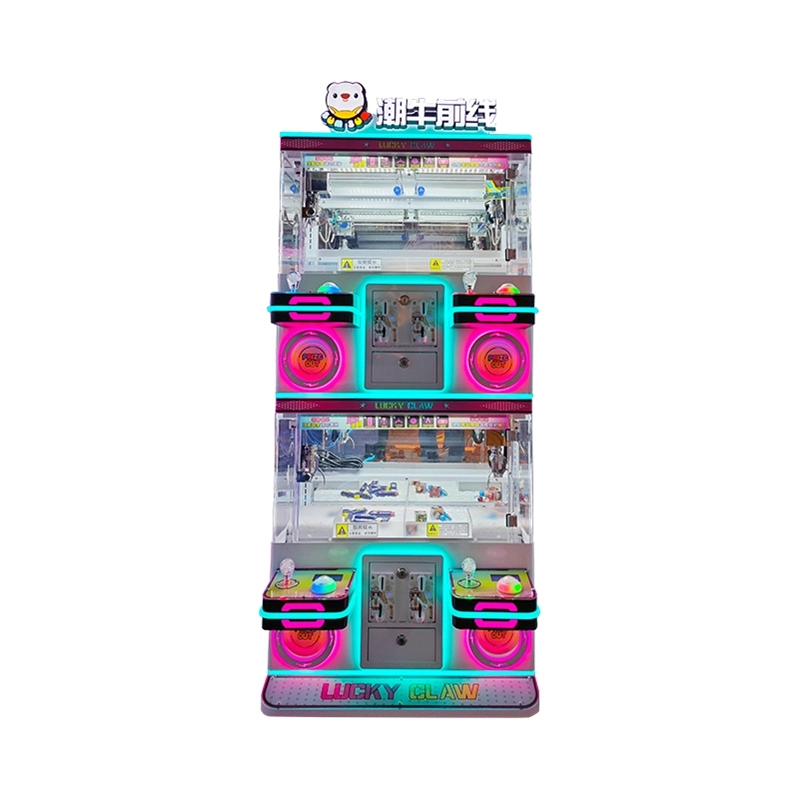
Mini 4 Players Commercial Arcade Claw Machine Coin Operated Plush Toy Prize Catcher Doll Game Machine
Discover the commercial 4-player coin-operated claw crane machine, perfect for arcades. This claw machine arcade offers thrilling prize-catching fun with plush toys, boosting engagement and revenue. Durable and easy to operate, it’s a top choice for claw crane machine entertainment.
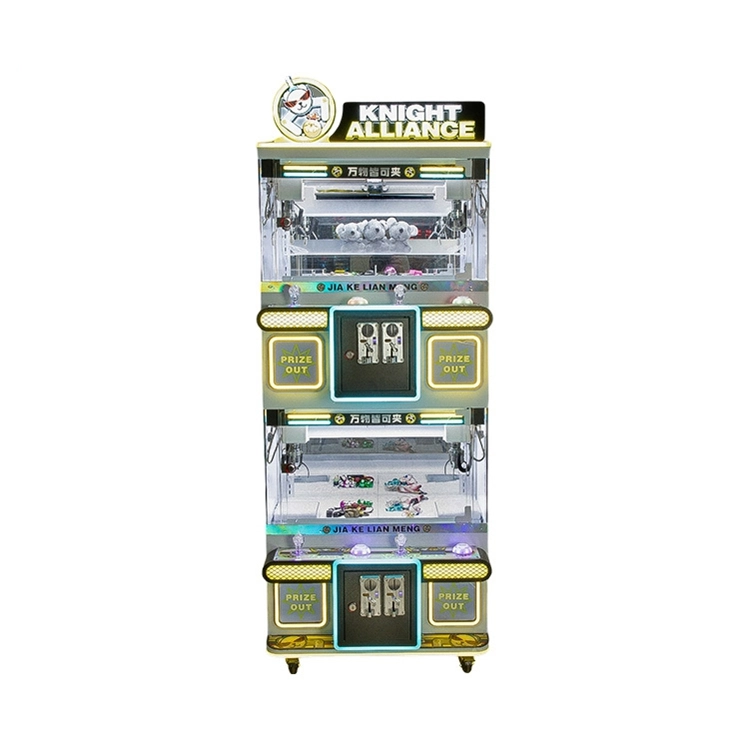
4-Player Mini Claw Crane Arcade Machine Gift Doll Catching Machine for Sale
Discover the 4-player catch doll machine, a mini claw crane prize machine perfect for fun and gifting. This claw game machine offers exciting multiplayer action, making it ideal for entertainment venues and events. Buy now for endless claw game fun!
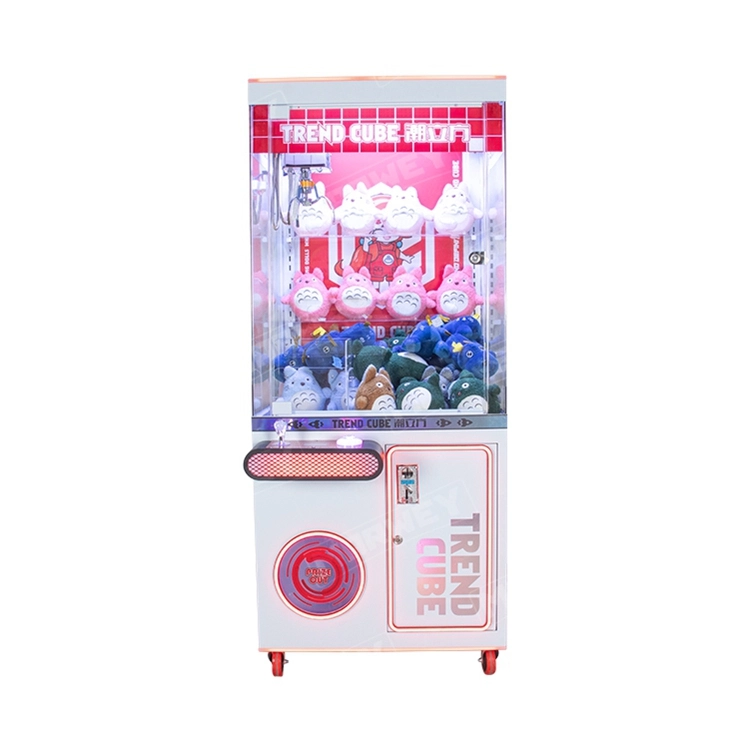
Wholesale Amusement Park Claw Machine Coin Operated Toy Crane Arcade Machine
Discover the toy crane machine, a high-quality claw machine arcade perfect for amusement parks. This coin-operated claw machine offers endless fun and excitement, making it an ideal wholesale choice for businesses seeking reliable, engaging entertainment solutions.
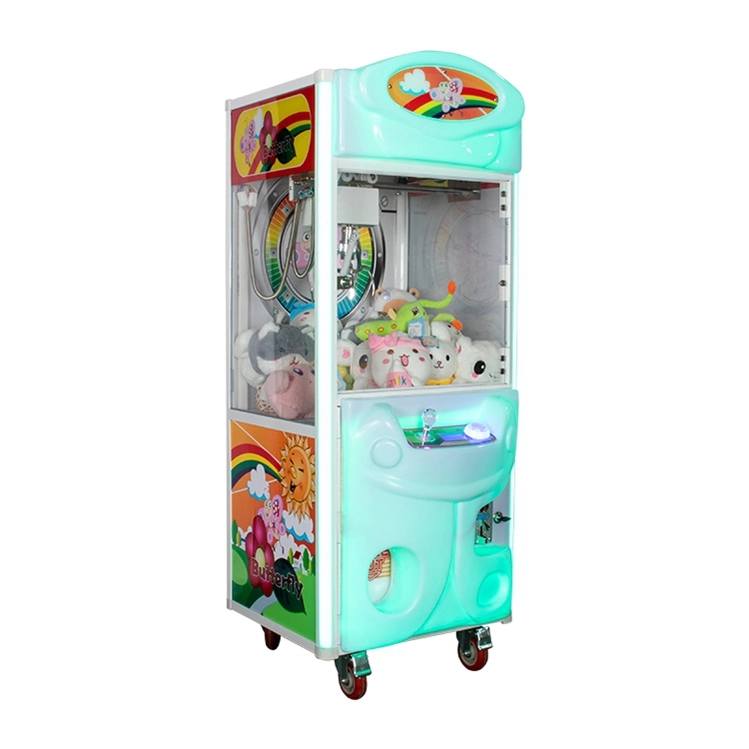
Wholesale Custom Indoor Claw Crane Machine Coin Operated Arcade Doll Catcher Machine
Discover wholesale arcade claw crane machine — customizable, indoor, and coin-operated. Perfect as a small crane claw machine, it offers endless fun and engagement. Ideal for businesses seeking a reliable small claw machine to boost customer interaction and revenue.
Marwey
MarweyArcade
marwey_arcade
Arcade Marwey
Marwey Amusement
Whatsapp: +8618922184260